Trending

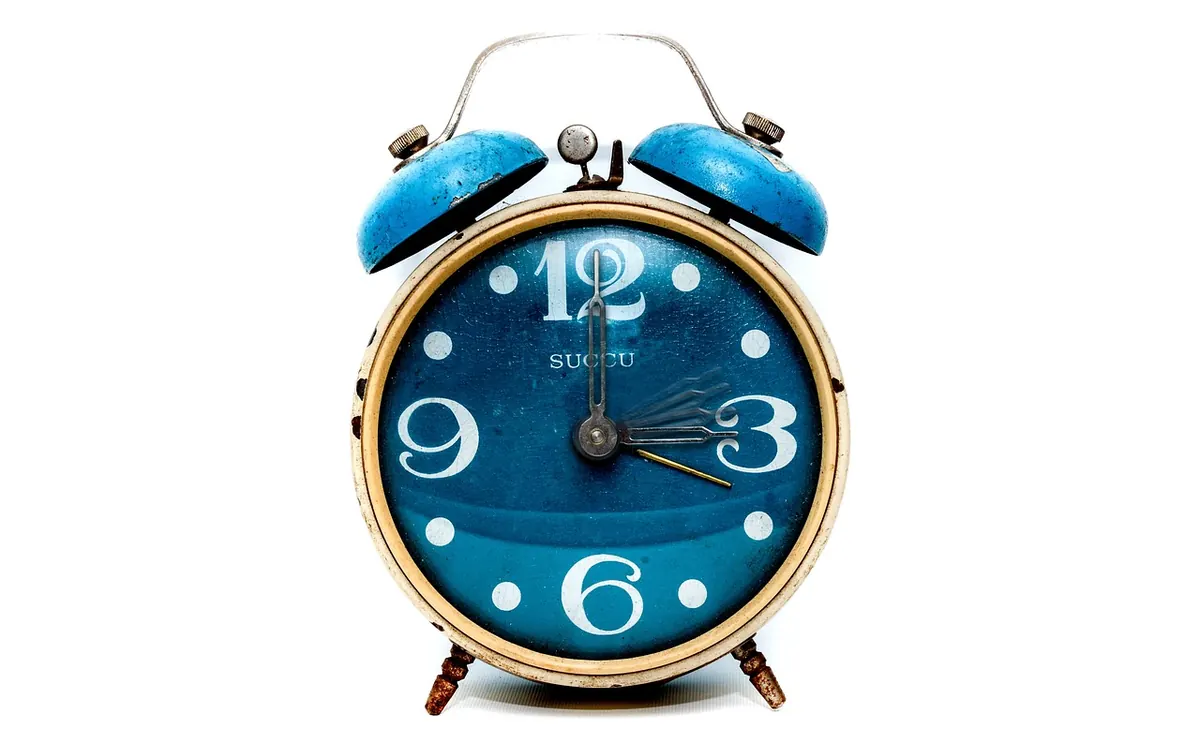
Sunday morning, the radio announces the change, and the house fills with small acts of correction: the oven clock, the car, the watch on the bedside table. Then you reach the hall clock, and the mood shifts. Its hands are geared to a strike train, its dial carries a date and a moon, and one careless turn in the wrong direction can turn a two-minute job into a repair. What follows is the checklist worth keeping beside the winding key.
Two mechanical clocks can look identical on the outside and behave quite differently inside. Before you touch a hand, spend half a minute working out what the movement actually does.
A time-and-strike mantel clock is a different proposition from a longcase with quarters, date and moon. Choose a moment when you are not rushed. Mid-morning is ideal: the calendar work is idle, the light is good, and you can hear the strike clearly enough to count it.
If the clock has recently come back from a service, or you have never set its calendar before, it is worth asking the person who restored it before experimenting. A wrong move on a perpetual calendar is not always something you can undo by hand.
Turn the minute hand clockwise. Always. The reason is mechanical rather than superstitious: strike trains and calendar work are geared to advance in one direction, and pushing them backwards can skip a tooth on the snail, bend a hand, or jam the pins that trip the date.
Some modern movements are designed to be set backwards without harm. You cannot tell by looking at the dial, though, and the penalty for guessing wrong is out of proportion to the two minutes you save. Treat forward-only as the default.
Two handling habits matter as much as direction. Turn the hand from its centre boss, with a light finger and thumb, not from the tip, where the leverage will bend thin brass. And if anything resists, stop. A minute hand that fights you is usually a slipping clutch or a loose collet, and both want attention rather than force.
The pause is the step people skip, and it is the step that keeps the strike in step. If you want the clock accurate to the second, stop the pendulum at a known reference and release it precisely as that reference ticks.
Autumn is the awkward one. Moving a minute hand back by an hour is exactly the operation you have just been told to avoid. Two safer routes.
Stop the pendulum shortly before the change, note the time, and leave it stopped for exactly one hour of real time. Then set it swinging again. No hand has moved, no strike has been disturbed, and the clock has simply lost sixty minutes. Choose a moment you will not forget — breakfast, or the start of an evening film.
If you would rather not wait, advance the hands clockwise by eleven hours. Eleven, not one, because you are going the whole way round the dial in the permitted direction. Do it in the morning: starting before early afternoon keeps the hands from crossing midnight, so a calendar clock will not add a day you then have to correct. Expect the clock to strike through the hours as you pass them, which is where the silence lever earns its keep.
The discipline is simple enough: never move the hands while the clock is striking, and let every sequence finish before you continue. On a rack-and-snail movement the count corrects itself at the next hour in the great majority of cases, which is why a little patience solves most problems.
Suppose that after setting, the clock strikes a number that does not match the hands — nine blows at half past four, say. Wait for the next hour and listen again. If it is still wrong, trip the strike by moving the minute hand round to twelve and letting it run out, then set the time again from there. A count that stays stubbornly wrong usually points to a worn rack or a mis-set hour hand, and that is a job for a clockmaker rather than a screwdriver.
Two things that are not faults. Some clocks strike the half-hour with a single blow, so do not read that as a miscount. Others let out a small warning click a minute or two before the hour as the strike train prepares itself; that is the mechanism working as intended, and the pause at twelve is what allows it to complete.
Calendar work needs a lighter touch than the strike train, because the levers are small and a mistake shows up slowly.
If the dial offers resistance at any point, stop and look at what the mechanism is doing rather than pressing harder. Brass is forgiving right up to the moment it is not.
Once the hands are right, a quick circuit of the clock saves a phone call later.
Do this twice a year and the ritual becomes quick and almost pleasant: a winding key, a quiet minute or two of listening, and the old clock carrying on as though nothing had happened. That, in the end, is the whole aim — a seasonal adjustment the movement never notices.
Photo: PIRO4D / Pixabay